Introduction
Maintaining a healthy gut is crucial for overall well-being. Your gut microbiome plays a vital role in digestion, immune function, and even mental health. By understanding the importance of probiotics, prebiotics, and lifestyle habits, you can improve digestive balance and enhance your overall health. This guide explores essential strategies for nurturing your gut naturally.
Understanding the Gut Microbiome
The gut microbiome consists of trillions of bacteria, fungi, and other microorganisms that reside in your digestive tract. A balanced microbiome supports nutrient absorption, immune defense, and mood regulation. When this balance is disrupted, it can lead to digestive issues, weakened immunity, and chronic inflammation.
Probiotics: The Good Bacteria
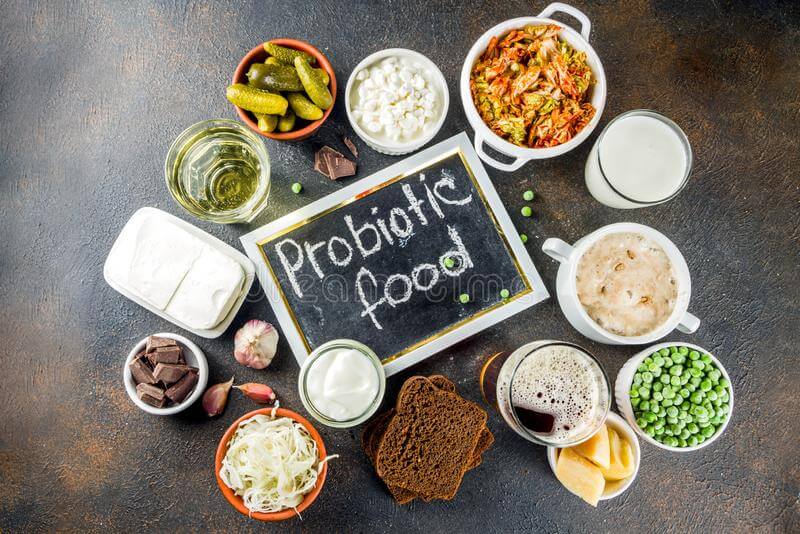
Probiotics are beneficial live bacteria that promote gut health. They help restore microbial balance and improve digestion. Common probiotic-rich foods include:
- Yogurt: A rich source of live cultures that aid digestion and boost immune function.
- Kefir: A fermented dairy drink packed with powerful probiotic strains.
- Sauerkraut: Fermented cabbage that supports gut flora and is rich in vitamins.
- Kimchi: A Korean fermented dish with probiotic properties and antioxidants.
- Miso and Tempeh: Fermented soy products that enhance gut bacteria balance.
In addition to foods, probiotic supplements are available. Look for those containing diverse strains like Lactobacillus and Bifidobacterium for maximum benefit.
Prebiotics: Fuel for Good Bacteria
Prebiotics are non-digestible fibers that serve as food for probiotics. They encourage the growth of beneficial bacteria in the gut. Key prebiotic-rich foods include:
- Garlic: A powerful prebiotic that supports gut-friendly bacteria growth.
- Onions: Rich in inulin, a fiber that promotes healthy digestion.
- Bananas: Particularly when slightly green, bananas provide resistant starch for gut bacteria.
- Asparagus: Contains prebiotic fiber that nourishes beneficial microbes.
- Oats: A great source of beta-glucan, which aids gut bacteria balance.
Combining prebiotics and probiotics—known as synbiotics—maximizes their benefits. For example, adding bananas to yogurt can enhance both probiotic growth and gut health.
Habits That Support Digestive Balance
Beyond diet, several lifestyle habits promote a healthy gut:
- Stay Hydrated: Drinking plenty of water aids digestion and nutrient absorption.
- Manage Stress: Chronic stress can disrupt gut bacteria. Techniques like meditation, yoga, or mindfulness can improve gut balance.
- Get Regular Exercise: Physical activity promotes better digestion and a diverse microbiome.
- Prioritize Sleep: Poor sleep patterns can impact gut health. Aim for 7-9 hours of quality sleep each night.
- Avoid Overuse of Antibiotics: While antibiotics are essential in certain cases, excessive use can disturb gut flora. Always follow medical guidance when taking these medications.
Signs of an Unhealthy Gut
An imbalanced gut may lead to various symptoms, including:
- Bloating and gas
- Constipation or diarrhea
- Frequent fatigue
- Skin irritations, such as eczema
- Unexplained mood swings or anxiety
If you experience persistent digestive issues, consult a healthcare provider for personalized guidance.
Conclusion
Maintaining gut health is key to overall well-being. By incorporating probiotics, prebiotics, and healthy habits into your lifestyle, you can support digestion, improve immunity, and enhance mental clarity. Prioritizing gut health today can lead to long-term benefits for your body and mind.
 Fitio Health
Leave a comment